


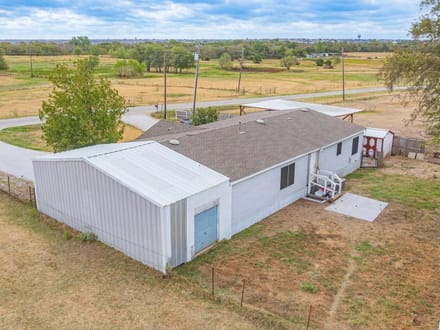
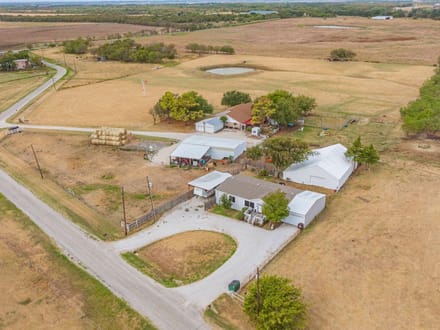


Texas Horse Properties For Sale
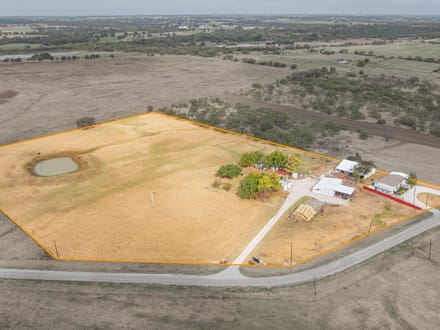
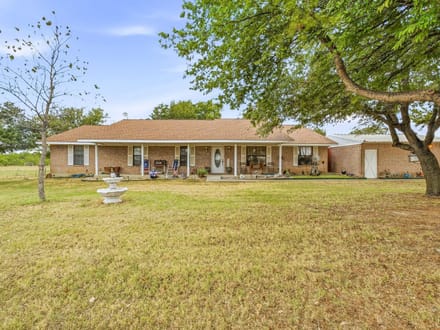
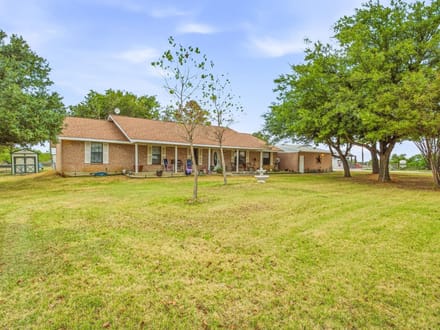
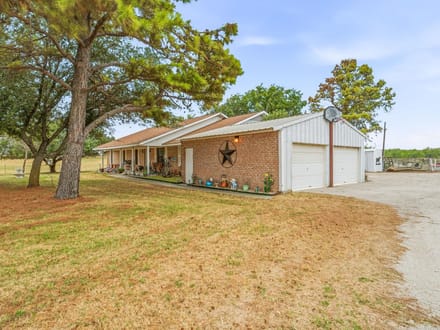
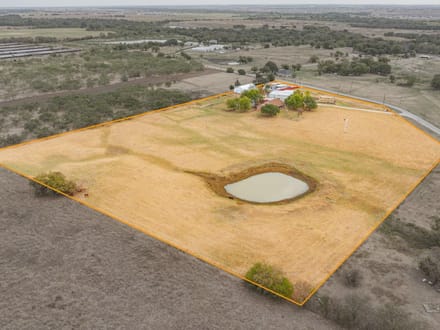
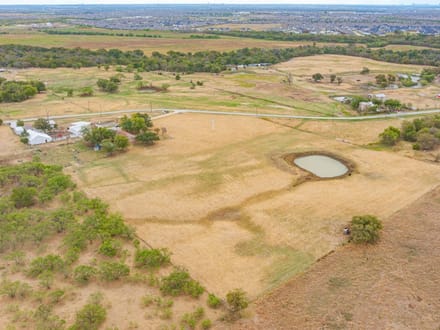
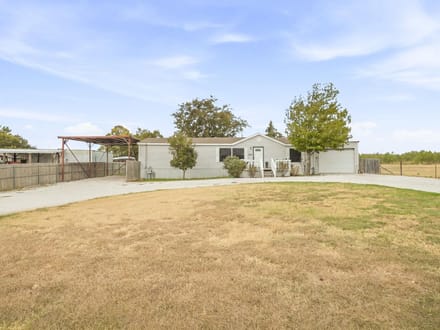
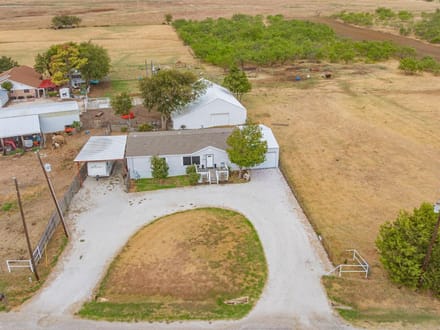
Ranchman Properties lists Texas horse properties. These are tracts designed and equipped for the care, training, and riding of horses. They range from small homesite-style properties for a few personal horses. Others are larger equestrian estates with multiple stalls, arenas, and rotating pastures.
A true horse property is more than acreage with a fence. A working system in which the land, facilities, water access, and surrounding infrastructure all support equine use.
What makes a property truly horse-suitable comes down to a few factors. Land usability matters more than total acreage. A 5-acre tract with good drainage and workable terrain can be better than a 15-acre tract with awkward topography or wet spots.
Fencing matters as much as fence type. Many people consider barbed wire unsafe for horses. Pipe, wood, vinyl, and woven wire are standard. People often call woven wire “no-climb.”
Water access should be reliable year-round. This includes water for the home and for stock. Piped water to barns and pastures is better than relying only on natural sources like ponds or creeks.
Several facility elements drive value and usability. These include the barn, the riding arena, turnout paddocks, and pasture layout. Barn factors include stall sizing, ventilation, tack room, and hay storage. Arena factors include size, footing, and drainage. Turnout paddocks should be separate from primary pastures. Pasture layout should support rotational grazing.
Buyers also weigh access to trails or open riding country. They look at proximity to feed stores, equine veterinarians, farriers, and equestrian community. This last point matters most in North Texas. Specific counties concentrate the equestrian community there.
Several items are worth verifying on any horse property. These include the well’s production rate and water quality. They also include septic capacity. They include electrical service for outbuildings. They include deed restrictions or covenants. They include zoning.
Water quality matters most if the well serves both household and livestock. Deed restrictions or covenants may limit livestock count or commercial activity. Check zoning if you plan boarding, training, or breeding operations.
Frequently Asked Questions
How many acres do I need for a horse?
The general rule is 1.5 to 2 acres per horse for grazing. This varies with pasture quality, climate, and management practices. Higher stocking densities are possible with rotational grazing and supplemental feeding. Farmers need lower densities where pasture quality is limited.
What’s the difference between a horse property and rural land with a fence?
A horse property is designed around equine use. Fencing materials are horse-safe. Barns and shelters are sized and ventilated for horses. The layout includes water access.
Functional zones divide the acreage. These zones include pasture, turnout, arena, and working areas.
You can sometimes convert rural land with a fence into a horse property. But the upgrades represent significant cost and time. These upgrades include fencing replacement, drainage, barn construction, and arena installation.
What kind of fencing is best for horse properties?
Common safe options include pipe, wood plank, vinyl, and woven wire. People often call woven wire “2×4 no-climb.” Many people consider barbed wire unsafe for horses because it can cause severe injuries. Fencing should be at least five feet high for adult horses.
Where in North Texas are most horse properties located?
North Texas horse property listings are mostly in rural and semi-rural areas. These areas are in Denton, Wise, Cooke, Parker, and Montague counties. Smaller pockets are in Tarrant and Collin counties.
Browse current listings on this page. Or see our Denton County land page for the area with the most active equestrian inventory.